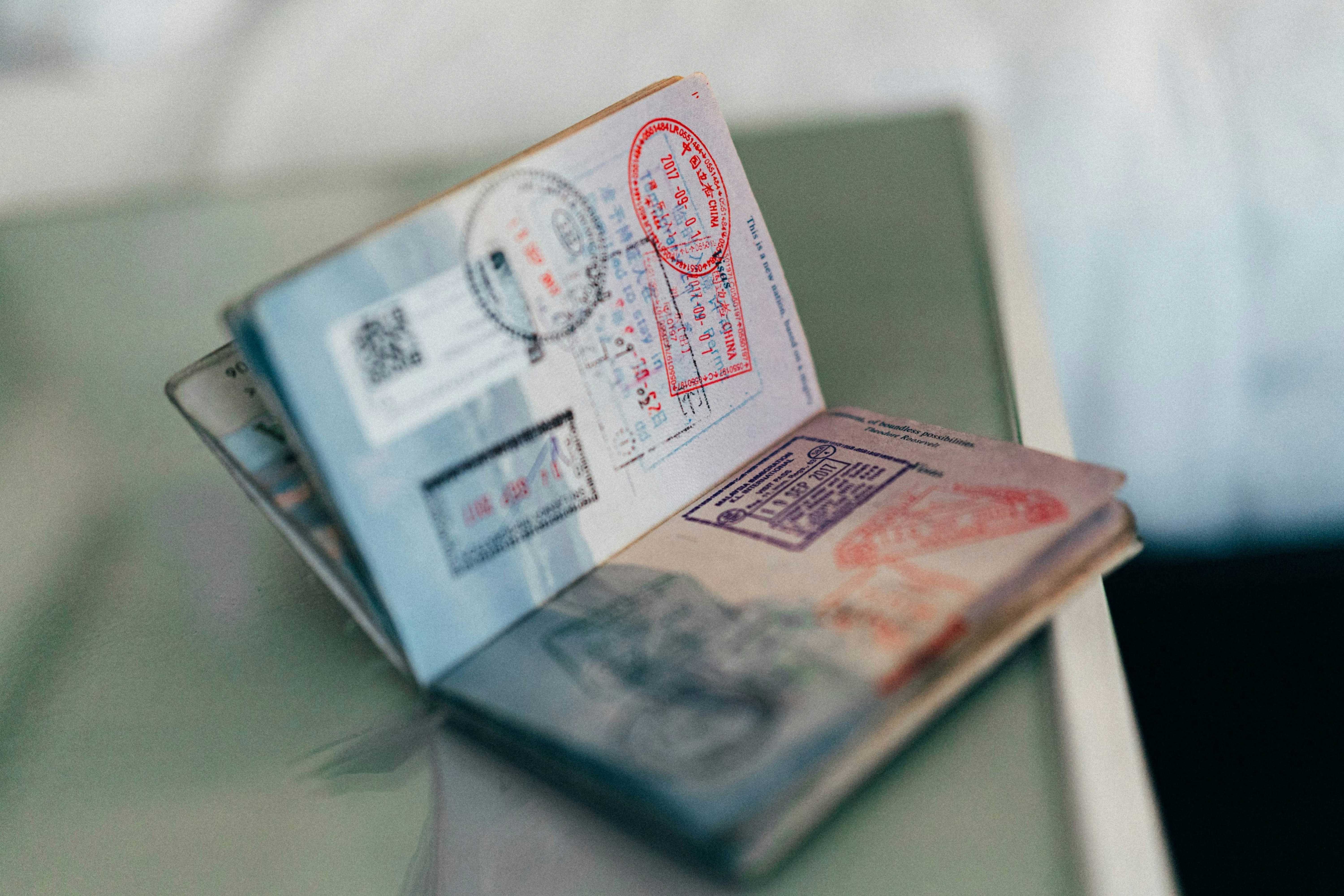
Understanding the Different Types of Visas: Visas, eVisas, Visas on Arrival, and Visa-Free Entry
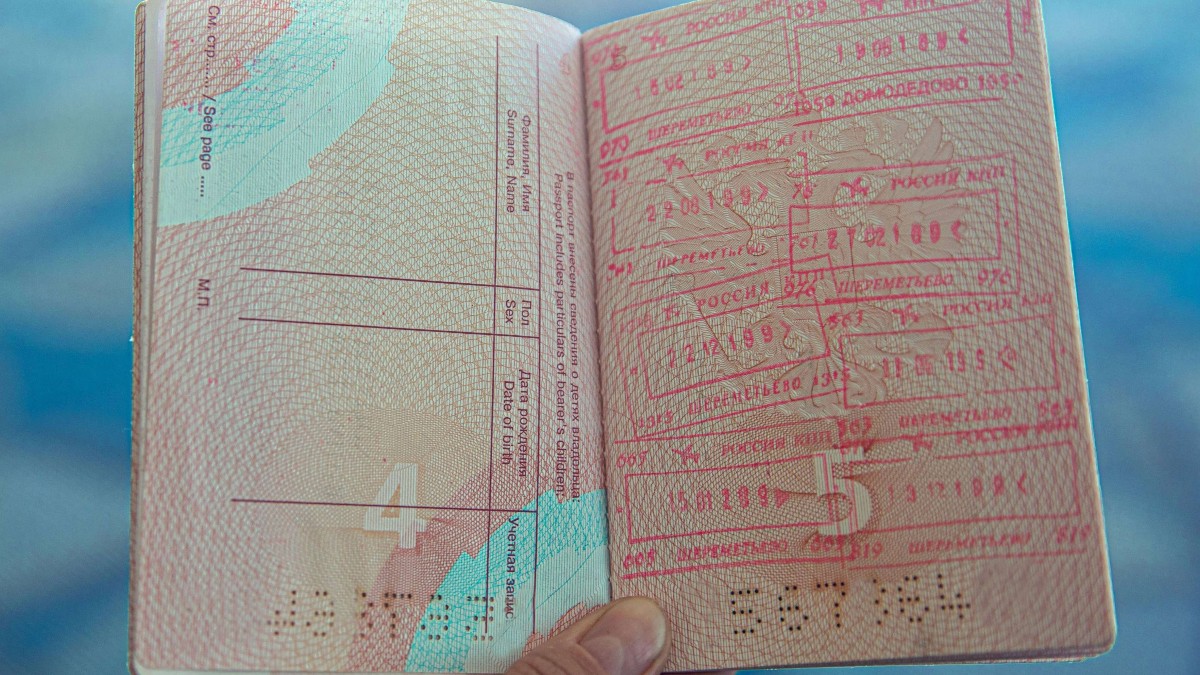
Each country has different entry requirements for Indonesian passport holders. Understanding the types of entry permits will help you prepare the necessary documents and plan your travel schedule accordingly.
1. Conventional visa (visa required)
The visa is applied for before departure through an embassy, consulate, or official visa application center (such as VFS Global or TLScontact). It generally requires a form, supporting documents, a photo, and often biometric data collection or an interview. Examples: Schengen, UK, U.S., Australia, and South Korea visas.
2. eVisa (electronic visa)
An eVisa is also applied for before departure, but the entire process is conducted online. The result is an electronic document that is printed or presented at the time of departure. Examples: India’s e-Tourist Visa, Russia’s Unified eVisa, and South Africa’s eVisa.
3. Visa on Arrival (VoA)
The visa is issued at the airport or border checkpoint of the destination country. Although convenient, you must still meet requirements such as having a valid passport, a return ticket, and paying the visa fee.
4. Visa-Free Entry
Indonesian passport holders can enter without a visa for a certain period, such as for tourism. Some countries have additional requirements; for example, Japan requires e-passport registration (visa waiver) before departure.
Important Notes
- The validity period of a visa is different from the length of stay. A visa may be valid for 1 year, but the length of stay per visit is still limited.
- Visa policies are subject to change at any time. Always check the latest information on the official website of the destination country’s embassy.
- Passports generally must be valid for at least 6 months from the date of arrival.
Not sure which category your destination country falls under? Check our Services page or contact our team for a consultation.